



TAM Receptor
Tyro3; Axl; Mer
TAM receptors, comprising of Tyro3, Axl and Mertk receptors, are receptor tyrosine kinases (RTKs) that are expressed by multiple immune cells including NK cells. The TAM family of receptors and their ligands Gas6 and Protein S (PROS1) are required for the optimal phagocytosis of apoptotic cells in the mature immune, nervous, and reproductive systems.
TAMs are three homologous type I receptor-tyrosine kinases that are activated by endogenous ligands, PROS1 and GAS6. These ligands can either activate TAMs as soluble factors, or, in turn, opsonize phosphatidylserine (PS) on apoptotic cells (ACs) and serve as bridging molecules between ACs and TAMs. Abnormal expression and activation of TAMs have been implicated in promoting proliferation and survival of cancer cells, as well as in suppressing anti-tumor immunity.
TAM Receptor Isoform Specific Products
All Product Categories
-
TAM Receptor Related Products (108)
Related Products (108)

-
Recombinant Proteins (34)
-
Antibodies (2)
-
TAM Receptor Isoform Comparison
-
SGI-7079
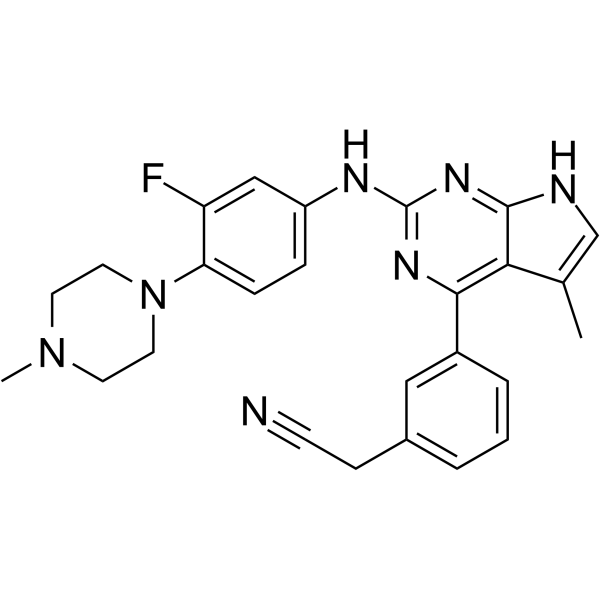 0 ImagesSGI-7079 is a selective, ATP-competitive, orally active inhibitor of the receptor tyrosine kinase Axl. SGI-7079 blocks Axl-mediated signaling pathways such as NF-κB activation and MMP-9 expression, thereby inhibiting tumor cell proliferation, migration and invasion. SGI-7079 is mainly used in the research of malignant tumors such as inflammatory breast cancer and bladder cancer, as well as in combination with immunization (used in combination with PD-1 therapy)[1][2][3].
-
Tilvestamab
 0 ImagesSynonyms: BGB149Tilvestamab (BGB149) is a humanized anti-AXL antibody that blocks AXL-mediated cell signaling. Tilvestamab significantly inhibits Gas6-induced AXL activation in 786-0-Luc RCC cells and inhibits downstream AKT phosphorylation. Tilvestamab can be used in cancer research, particularly in AXL overexpressing renal cell carcinomas.
-
UNC9426
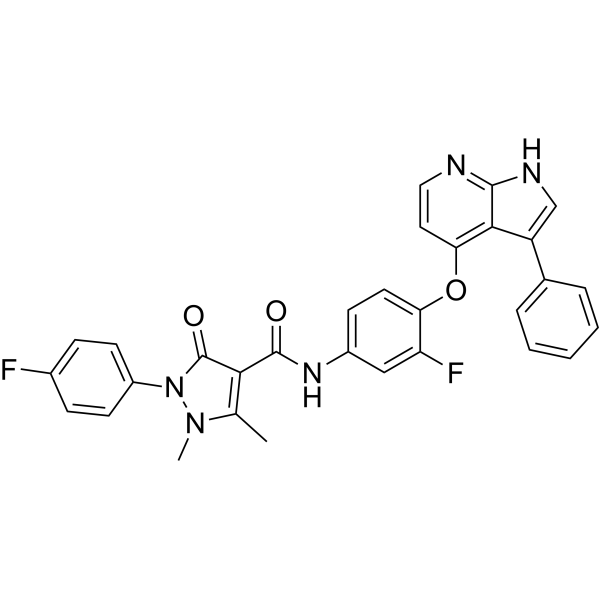
 0 ImagesUNC9426 is a potent and selective TYRO3 inhibitor (IC50 = 2.1 nM), demonstrating 276-fold and 90-fold selectivity over MERTK and AXL, respectively. UNC9426 reduces platelet aggregation without increasing bleeding time and blocks TYRO3-dependent functions in tumor cells and macrophages. UNC9426 demonstrates a favorable safety profile with no significant increase in bleeding risk in vivo. UNC9426 can be used for functional studies of TYRO3-dependent phenotypes such as non-small cell lung cancer (NSCLC).
-
UNC1062
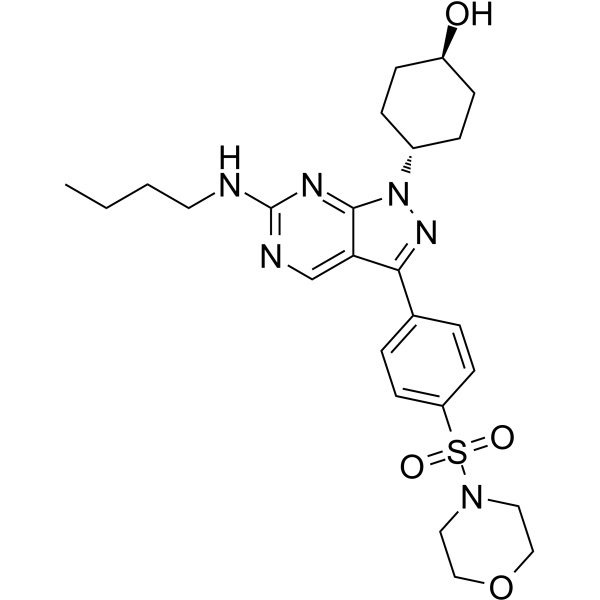 0 ImagesUNC1062 is a highly selective tyrosine kinase (MERTK) inhibitor with an IC50 of 1.1 nM (Morrison Ki = 0.33 nM). UNC1062 exhibits good selectivity for the TAM family (TYRO3 IC50 = 60 nM, AXL IC50 = 85 nM). UNC1062 exhibits significant anti-proliferative effects and induces apoptosis in various cancer models (such as melanoma, gastric cancer, and acute myeloid leukemia). UNC1062 inhibits multiple pathways, including MAPK/ERK, PI3K/AKT and JAK/STAT and affects the motility of head and neck squamous cell carcinoma (HNSCC) cells through the RhoA signaling pathway. UNC1062 inhibits macrophage efferocytosis, and it suitable for research on atherosclerosis.
-
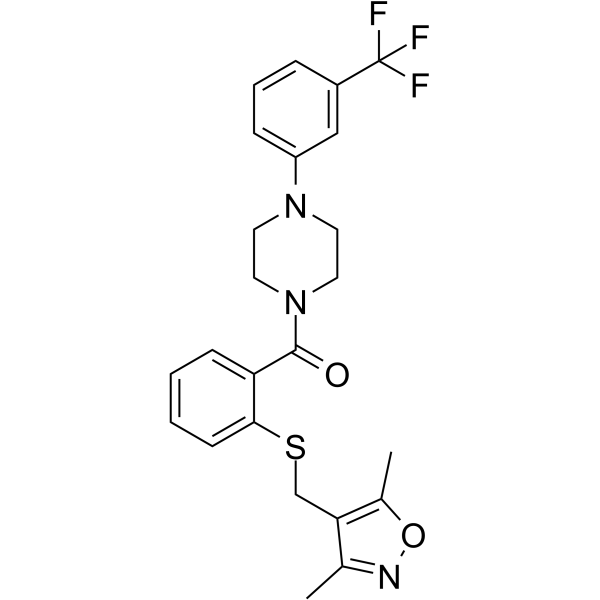
Glesatinib hydrochloride
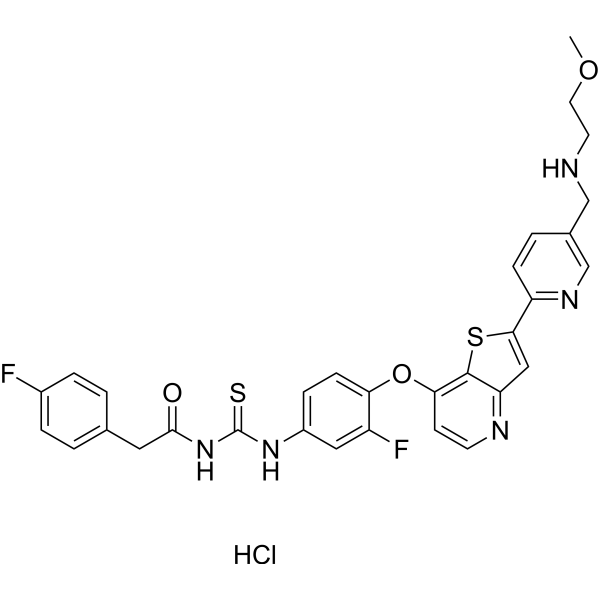 0 ImagesSynonyms: MGCD265 hydrochlorideGlesatinib hydrochloride (MGCD265 hydrochloride) is an orally active, potent MET/SMO dual inhibitor. Glesatinib hydrochloride, a tyrosine kinase inhibitor, antagonizes P-glycoprotein (P-gp) mediated multidrug resistance (MDR) in non-small cell lung cancer (NSCLC).
-
UNC2881
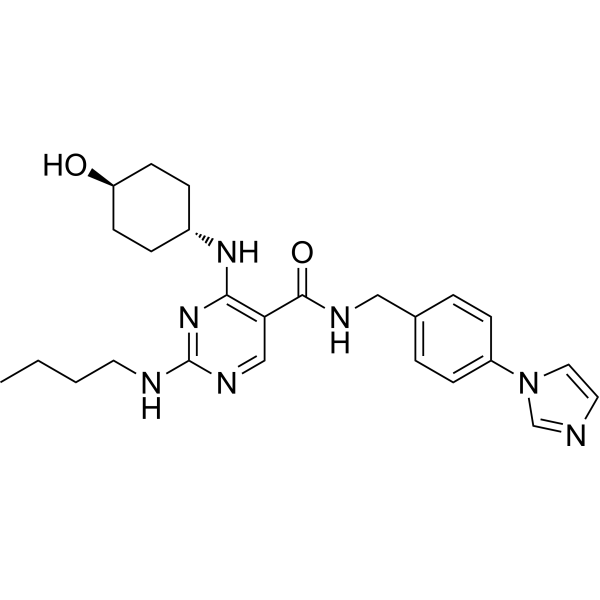 0 ImagesUNC2881 is an orally active and specific Mer kinase inhibitor, inhibits steady-state Mer kinase phosphorylation with an IC50 value of 22 nM. UNC2881 shows additional inhibition against Axl and Tyro with IC50s of 360 nM and 250 nM, respectively. UNC2881 potently inhibits collagen-induced platelet aggregation, can be used for pathologic thrombosis research.
-
Enapotamab
 0 ImagesSynonyms: Anti-AXL/UFO Reference Antibody (enapotamab)Enapotamab (Anti-AXL/UFO Reference Antibody) is an AXL/UFO-related antibody that can be used for synthesis of ADC molecule Enapotamab vedotin (HY-P99921).
-
Gilteritinib (Standard)
 0 ImagesSynonyms: ASP2215 (Standard)
-
Cabozantinib (Standard)
 0 ImagesSynonyms: XL184 (Standard); BMS-907351 (Standard)Cabozantinib (Standard) is the analytical standard of Cabozantinib. This product is intended for research and analytical applications. Cabozantinib is a potent and orally active inhibitor of VEGFR2 and MET, with IC50 values of 0.035, and 1.3 nM, respectively. Cabozantinib displays strong inhibition of KIT, RET, AXL, TIE2, and FLT3 (IC50=4.6, 5.2, 7, 14.3, and 11.3 nM, respectively). Cabozantinib shows antiangiogenic activity. Cabozantinib disrupts tumor vasculature and promotes tumor and endothelial cell apoptosis.
-
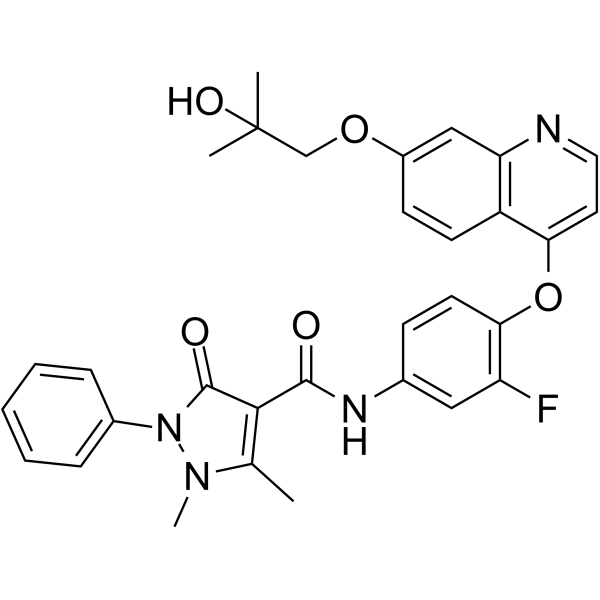
Mecbotamab
 0 ImagesSynonyms: BA301Mecbotamab is a humanized IgG1-κ antibody targeting to AXL receptor tyrosine kinase (AXL). Mecbotamab can serves as a conditionally active biologic (CAB), which can be conjugated with MMAE (HY-15162) via a cleavable linker, to form ADC Mecbotamab vedotin (BA3011).
-
PF-07265807
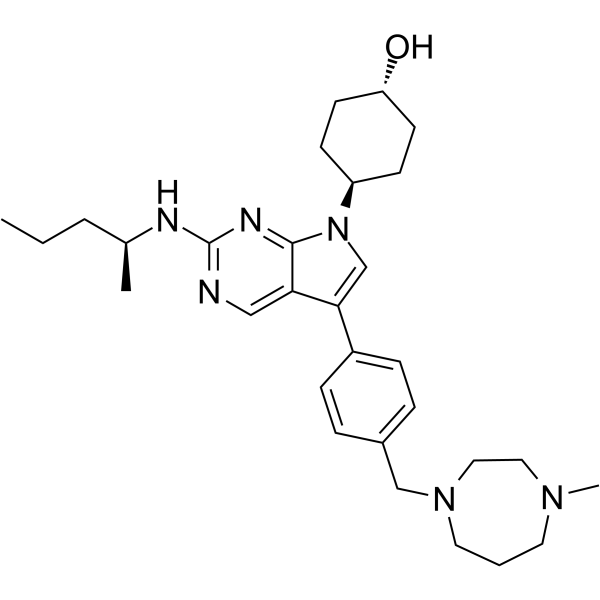
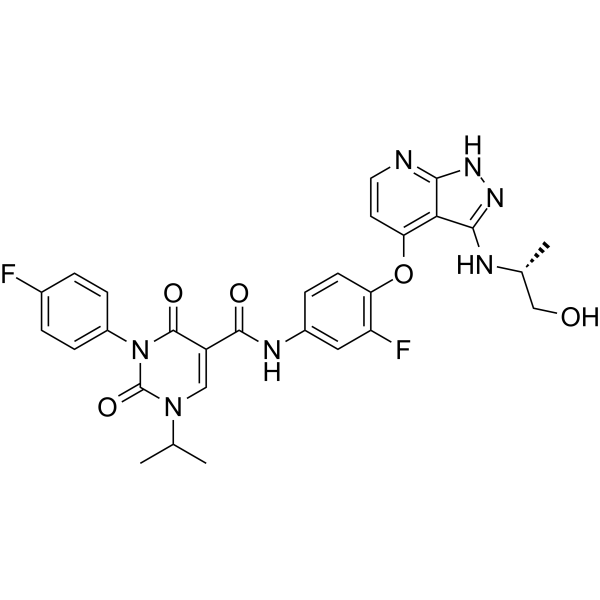 0 ImagesCat. No.: HY-147218CAS No.: 2412356-57-9Synonyms: ARRY-067PF-07265807 (ARRY-067) is a kinase inhibitor with primary targets AXL, MERTK, and TYRO3. PF-07265807 acts as an immunomodulator that cross-activates CD8+ T cells by enhancing dendritic cell function. PF-07265807 blocks downstream signal transduction of AXL and MERTK, and inhibits the proliferation and migration of tumor cells with high expression of these two kinases. PF-07265807 is applicable to research related to advanced or metastatic solid tumors, such as colorectal cancer.
-
TAM-IN-2
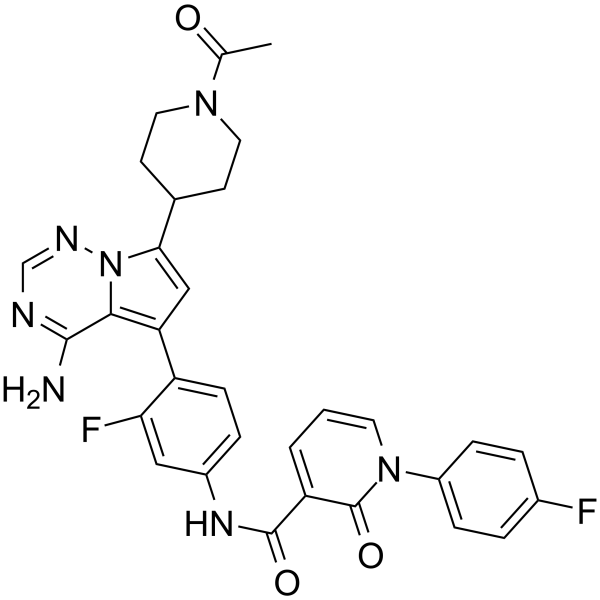 0 ImagesTAM-IN-2 is a TAM inhibitor extracted from patent US 20170275290 A1, pyrrolotriazine compound 0904.
-
Adrixetinib
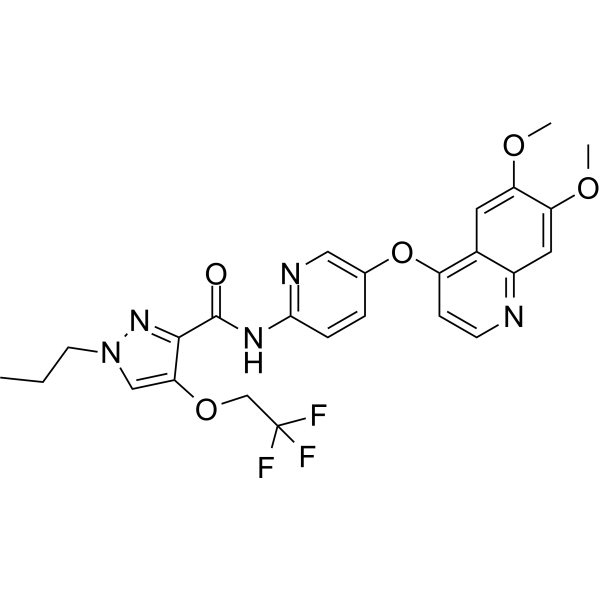 0 ImagesSynonyms: Q702Adrixetinib (Q702) is an orally active triple inhibitor against CSF1R, Mer, and Axl, with Kd values of 8.7 nM, 0.8 nM, and 0.3 nM, respectively. Adrixetinib acts as a potent immune modulator that remodels the tumor microenvironment. Adrixetinib increases the abundance of M1 macrophages and CD8⁺ T cells, while decreasing the levels of M2 macrophages and myeloid-derived suppressor cells (MDSCs). Adrixetinib upregulates the expression of MHC class I and E-cadherin in tumor cells. Adrixetinib shows remarkable antitumor efficacy in syngeneic mouse tumor models. Adrixetinib is suitable for the research of breast cancer, renal adenocarcinoma, colon carcinoma, and melanoma.
-
Mecbotamab vedotin
 0 ImagesSynonyms: BA3011; CAB-Axl-ADC; CAB-anti-Axl-ADCMecbotamab vedotin (BA3011) is a pH dependent antibody drug conjugate (ADC) targeting AXL. Mecbotamab vedotin can significantly inhibit AXL in DU145 cells and LCLC-103H cells and kills cells. Mecbotamab vedotin can be used for research on cancer such as lung cancer, pancreatic cancer and prostate cancer. The antibody component is Mecbotamab (HY-P9988), and the ADC toxin molecule is Monomethyl auristatin E (MMAE) (HY-15162).
-
BPR5K230
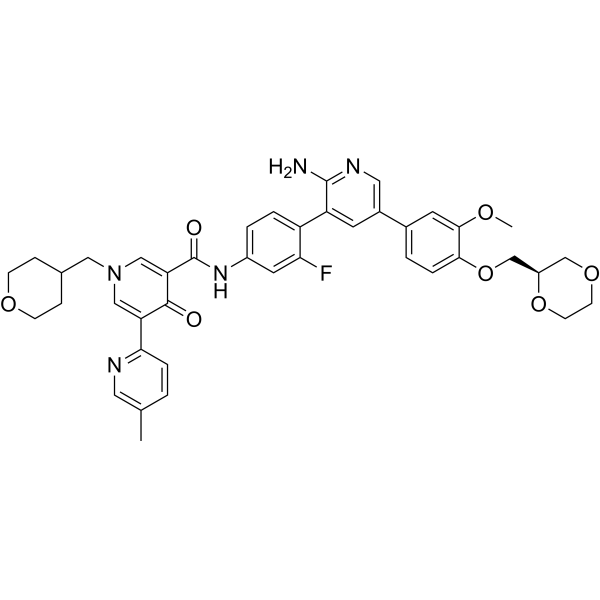
 0 ImagesBPR5K230 is a dual inhibitor for the receptor tyrosine kinase MER and AXL, with IC50 of 4.1 nM and 9.2 nM. BPR5K230 inhibits the proliferation of Ba/F3-MER with IC50 of 5 nM. BPR5K230 exhibits good pharmacokinetic characteristics in mice, exhibits anti-inflammatory and antitumor against 4T1, MDA-MB-231, MC38 and Hepa1?6 in mouse models.




